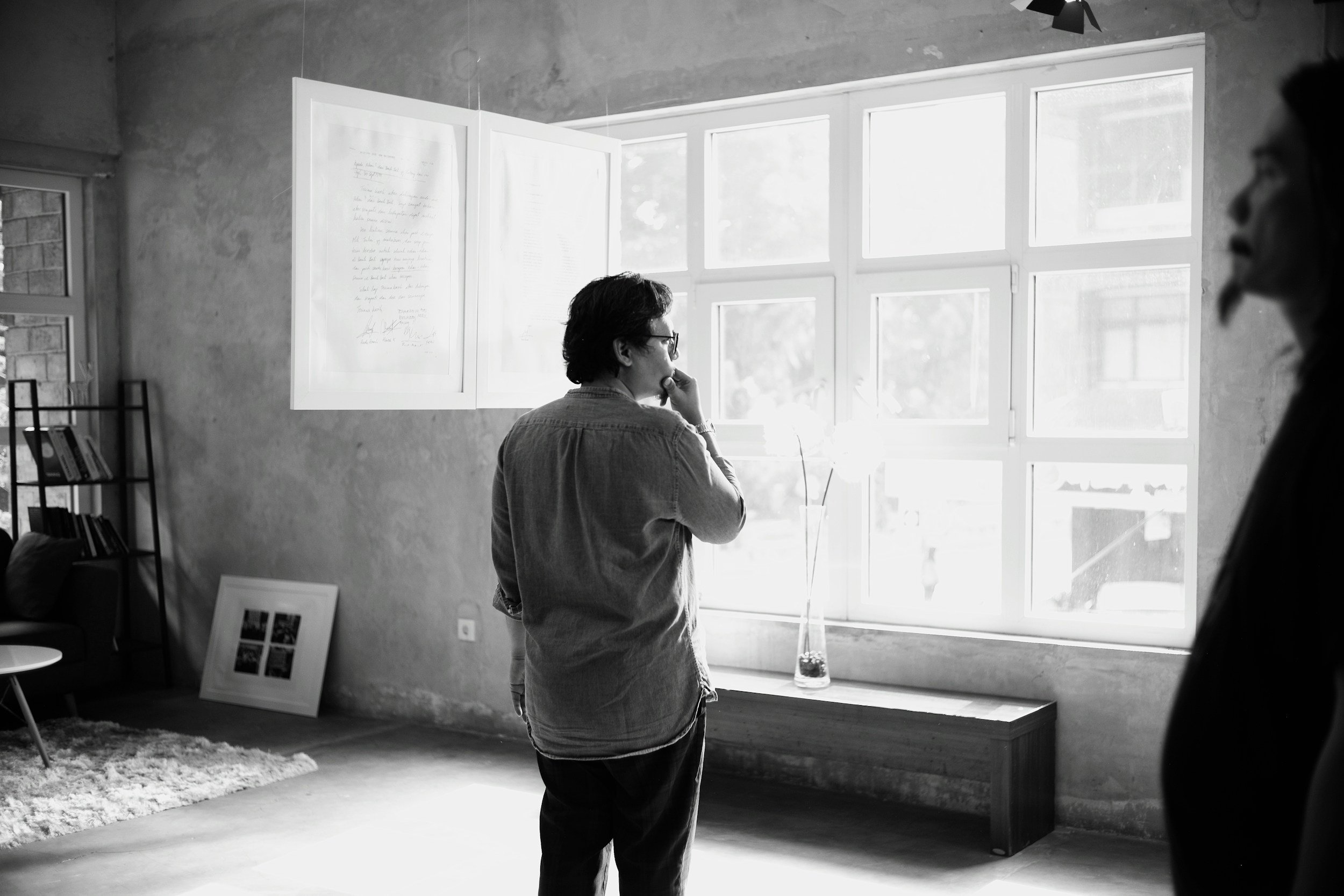
A leader stepping back to breathe and look out the window while he gets curious.
When Helping Hurts: The Hidden Pattern in Strong Leaders
There's a pattern I see often in strong leaders, and it's almost always invisible to the person living it.
I've been working with a director who is decisive, fast-moving and genuinely committed to his team's success. When something goes wrong, he fixes it. When someone struggles, he steps in. It looks like leadership. It feels like support.
But somewhere along the way, he stopped being a director and started working for his managers.
When they hit a wall, he didn't just coach. He took over and did the work himself. Over time, what had started as helpfulness became a habit that was quietly undermining everyone, including him.
When he finally saw the pattern clearly, he was startled. The gap between his intention, to be a strong and supportive leader, and his actual impact, a team growing dependent and a director growing depleted, was larger than he'd realized.
Awareness was only the beginning.
One of his managers had grown so used to the dynamic that she began pushing work back to him, including the people management responsibilities that were squarely within her role. She wasn't being difficult so much as doing what the system had taught her. His pattern had become her expectation.
When he began handing that responsibility back, things escalated. Her team pushed back hard. Suddenly he was holding four roles at once: working with HR, having difficult developmental conversations with her, keeping his own manager informed, and trying not to snap at someone whose resistance was genuinely wearing on him.
In each role, the same internal work kept surfacing:
Slow down. Breathe. Get curious before getting reactive.
The through-line wasn't strategy. It was emotional regulation.
His ability to stay grounded while everything around him heated up is what made the hard conversations possible. It kept relationships intact while difficult things got said. It let him hold a boundary without burning a bridge.
This is where leadership gets genuinely hard, and genuinely interesting.
Because the real work isn't in the doing. It's in noticing who you're being in the hardest moments: when you're frustrated, when the situation is messy, when there's no clean answer and people are watching how you carry it.
So here's a question worth sitting with: where might your helpfulness be getting in the way of someone else's growth, and what happens inside you when you hold back?
If you're a leader who wants to grow in exactly these moments, I'd welcome a conversation about whether one-to-one coaching is right for you.
Book a complimentary conversation
When the Person in the Mirror is the Obstacle - a post about self-awareness, hidden patterns and new habits of mind.
The leader in this story is a composite, drawn from patterns I've seen across many leaders.